

Celebrity endorsers preceded the social media influencer game by a century. When you think about it, though, a celebrity is just an elevated type of influencer.
At least in theory, a famous person’s name and image will (1) grab people’s attention and (2) “transfer” some of their cachet, coolness, brilliance, beauty, notoriety (or whatever attributes they are famous for) onto your company’s product or service.
You can see celebrity endorsements all around you, especially with consumer-facing events. In fact, the Olympic Games 一 which features a huge number of celebrity endorsers 一 has an entire Olympics Partner Program!
Intellectually, consumers probably know that Olympians have trainers and dietitians who choose their gear and craft their diets, and that they may never touch the products made by the Olympics partners like Coca-Cola, Toyota, and Visa. But that doesn’t stop these companies from becoming Olympic partners 一 because they’re betting that the excitement of the Olympics will transfer to their brands.
But it’s not just the biggest sporting events that look to endorsements. Product and service providers worldwide have used celebrity endorsers to impart some of their “magic touch.” This is oftentimes how retired sports players make a living 一 by becoming celebrity endorsers for random products!
A prime example of an athlete-turned-celebrity-endorser is George Foreman, famous for the Foreman Grill.
Let’s go a little deeper into the financials. George Foreman’s grill endorsement earned him a total of approximately $137.5 million plus stock options in two years. And he didn’t have to get punched in the face to do it, either.
Actually, many celebrities make much of their income from endorsing products and helping those products get the reputation, street cred, and visibility needed to fly off the shelves. Think of the golfer Rory McIlroy who made a combined $300 million over 10 years with his endorsements of Nike and TaylorMade.
In this famous commercial, McIlroy partnered with fellow celebrity endorser Tiger Woods to show off their abilities alongside various Nike products.
It’s not just sports or entertainment. Anyone who is a celebrity 一 political, finance expert, or inspirational speaker 一 already owns a little bit of the public’s “mind,” and companies can tap into that by hiring them.
In election years, many celebrities enter into another type of endorsement — political endorsement. In the 2024 election year, celebrity investor and Dallas Mavericks minority owner Mark Cuban endorsed Kamala Harris for President, while entertainers Kid Rock and Rosanne Barr endorsed Donald Trump.
There is quite a bit of debate over whether this type of celebrity endorsement is appropriate and effective. Some argue that these cultural figures should be allowed to share their viewpoints, while others say their celebrity status shouldn’t impact public policy.
While we won’t get into a political debate here, it’s worth noting that celebrity endorsements aren’t a surefire way to more sales. There are downsides to investing in celebrities. Here are some very important things to keep in mind.
The Dos and Don’ts of Celebrity Endorsements
#1: Lack of credibility
If the celebrity you choose looks inauthentic with your product or service, the endorsement can flop (or even backfire). Therefore:
Do invest in celebrities that fit your brand. These celebrities should use your brand in real life. Think about Shaun White and Burton snowboards. He is a good choice as an endorser because he uses and believes in the product.
Don’t pick celebrities just for the cool factor. Athletes that represent junk food will often come across as fake. Viewers can see through the scheme and know that the athlete doesn’t really drink soda or eat potato chips. Who are they kidding?
#2: Overexposure
Some celebrities get dollar signs in their eyes and will sell themselves to everyone. Their fans are oversaturated with the products they are promoting. Therefore:
Do look for celebrities who are only partnered with a select group of brands. Consider how your brand might complement the others they’re already endorsing.
Don’t get lost in the crowd. In other words, don’t become a NASCAR racecar brand where your company logo is mixed in a sea of others.
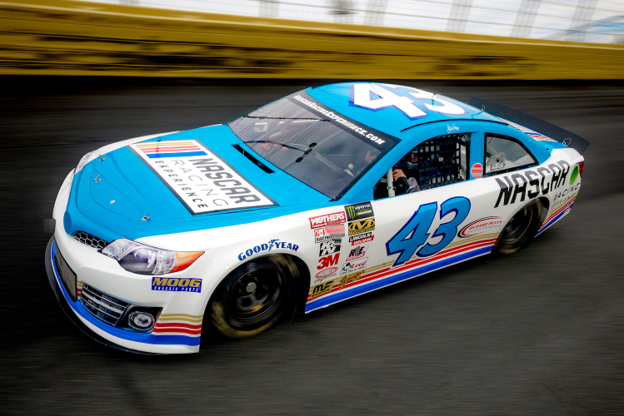
Photo Credit: Charity Buzz
#3: Reputation
When you work with a celebrity, there is risk involved. Pinning your company’s reputation on a famous person means there’s always room for a disaster; if your endorser does something terrible, then you’ll look terrible too.
Look at Lance Armstrong. When the famous cyclist was caught doping and lost his seven Tour de France titles, he lost three major sponsors who no longer wanted any association with him. Take the following steps:
Do have an attorney draft your agreements. Getting a clause written that will get you out of contracts immediately for bad behavior is a must.
Don’t get edgy. Working with “bad boys” is not worth risking your company’s reputation. Of course, you can never be sure – but with some celebrities, you can almost see it coming. Steer clear and try to pick endorsers who have a good name.
Ultimately, finding the right endorser could give your brand great visibility. But the cost of hiring big celebrities is prohibitive for many companies. Is there a way for small businesses to use the power of endorsers for far less cost?
In my next post, and the final post in this series, I’ll share with you how you can lean into micro-influencers to endorse your brand, saving you money and still giving you maximum impact.


