
We’ve all been there. You’re sitting at your desk, and that sinking feeling hits you. It’s the realization that Mike isn’t just having a “bad week.” He’s just not cutting it.
He’s late. He’s checked out. He makes the same mistakes you’ve corrected four times already. You’ve coached, you’ve nudged, you’ve tried incentives. Yet, here he is, still on the payroll, quietly draining the energy of your high performers and the profitability of your business.
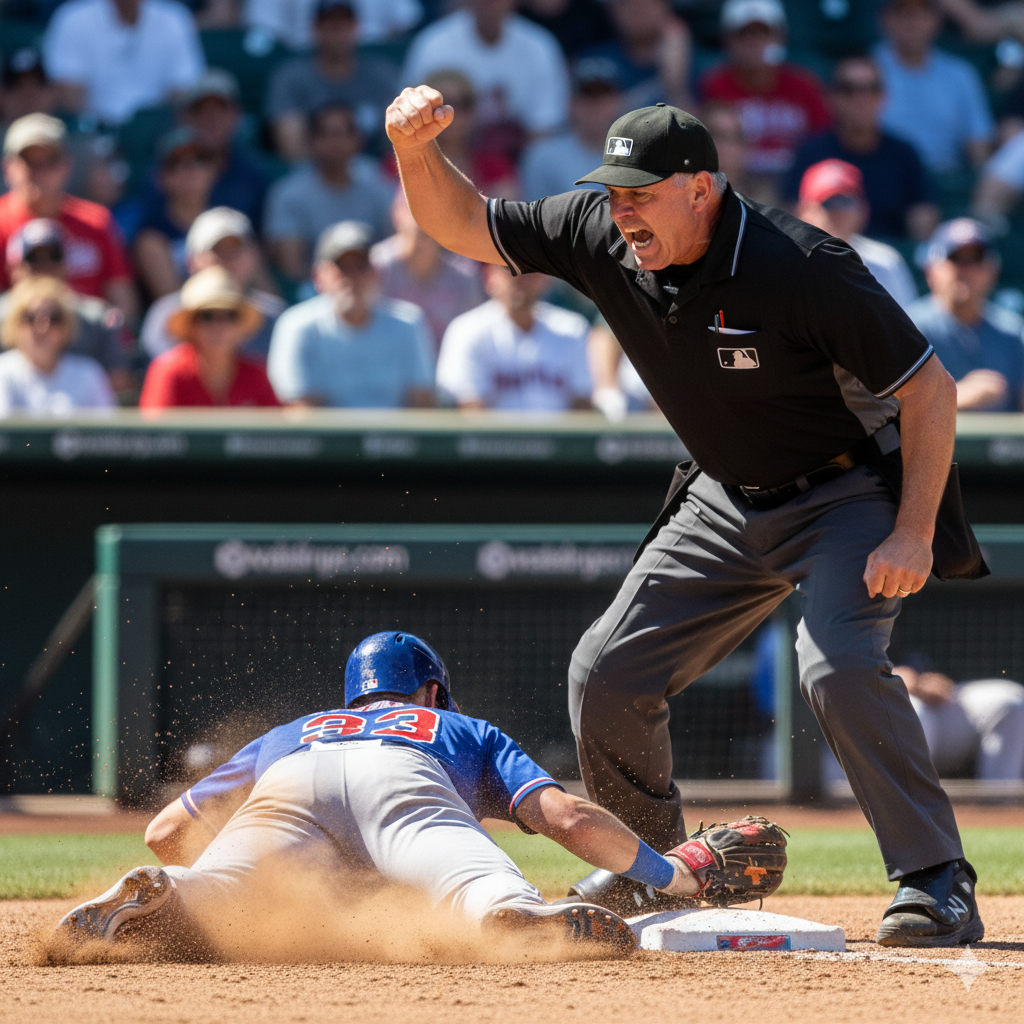
In my years consulting for businesses just like yours, I’ve noticed a universal law of management: most owners wait too long. I get it. Firing sounds like an inhumane, cruel act. We’ve all seen the caricature of firing—the finger-pointing, high-drama, Donald Trump “You’re Fired!”
But that’s TV. In a real business with 5 or 20 or or 50 employees, firing shouldn’t be an explosion. It should be a clean and merciful transition. And in this article, I hope to show you how to do it without fireworks.
Why We Stall
In the movie Up In The Air, there’s a scene where George Clooney explains why firing is so difficult. It’s the moment you stop being a “colleague” and start being the person who alters someone’s life trajectory.
So we stall because we want to be “nice.” But keeping an incompetent or uncaring employee isn’t nice. It’s mean to your A-players who have to pick up the slack. And for the employee who’s not cutting it, you are essentially paying them to fail.
The “Clean and Merciful” Framework
When the decision is made, the goal is to be swift, legal, and respectful of their dignity. Here is how a sophisticated owner should handle the tough conversation.
1. The Preparation
Before the meeting, have everything ready. This isn’t just about compliance; it’s about confidence.
If there is a final paycheck (and you don’t do direct deposit), have it ready for them.
If they have card keys, a company laptop, or any other company equipment at home or elsewhere, have a plan for getting the items back to you.
Have someone deactivate their logins immediately. You don’t want a terminated employee to have access to anything.
2. The Meeting: Get to the Point in 30 Seconds
The biggest mistake owners make is “small talk.” You ask about their weekend, then pivot to firing them. Terrible. It feels like a betrayal.
Start with: “I’m sorry but we need to let you go.”
Don’t argue. This isn’t a debate; it’s a notification. If they try to bargain, simply say: “I’m happy to hear you out but nothing we discuss is going to change this decision.”
3. Protect their Dignity
You want to be merciful. This means choosing the right place and time. Don’t do it in a glass-walled conference room. It’s better to let someone go at the beginning of the week so they can focus on the future. Firing on a Friday is mean; they can’t start networking for a new job until next week.
The key is to be direct and professional, acknowledging that while the fit isn’t right here, life goes on.
4. The Aftermath
Once the employee has left, your remaining team will be watching you. They aren’t just thinking about the person who left; they’re thinking about themselves.
Address it quickly. For moral and legal reasons, you shouldn’t give details. Simply say: “Mike is no longer with the company. We wish him the best, and here is how we will be covering his responsibilities in the short term.”
The Bottom Line
Firing is the “dark work” of leadership. It’s not fun, but it’s sometimes necessary. When you remove a “C-player” who doesn’t care, you send a signal to your “A-players” that excellence matters. When it needs to be done, follow the points I’ve outlined above and do it cleanly and compassionately.


